The Risks of Motorcycling
Motorcycling is a thrilling and exhilarating experience, but it also comes with significant risks. The National Highway Traffic Safety Administration (NHTSA) reports that motorcyclists are 28 times more likely to die in a crash than passenger vehicle occupants. This is due to the lack of protection and the vulnerability of motorcyclists to various hazards on the road. The most common causes of motorcycle accidents include:
- Speeding
- Failure to yield
- Distracted driving
- Drunk driving
- Poor road conditions
- Lack of body armor
- Inadequate helmet safety
- Insufficient training
- Poor bike maintenance
The Importance of Protective Gear
Investing in protective gear, clothing, and motorcycle accessories is crucial for motorcyclists. This includes:
The Role of Motorcycle Accessories
In addition to protective gear, motorcycle accessories can also play a significant role in reducing the risks associated with motorcycling.
However, if a garment has a higher rating, it is likely heavier and more protective, making it suitable for off-road riding.
Understanding the Level of Protection in Motorcyclist Gear
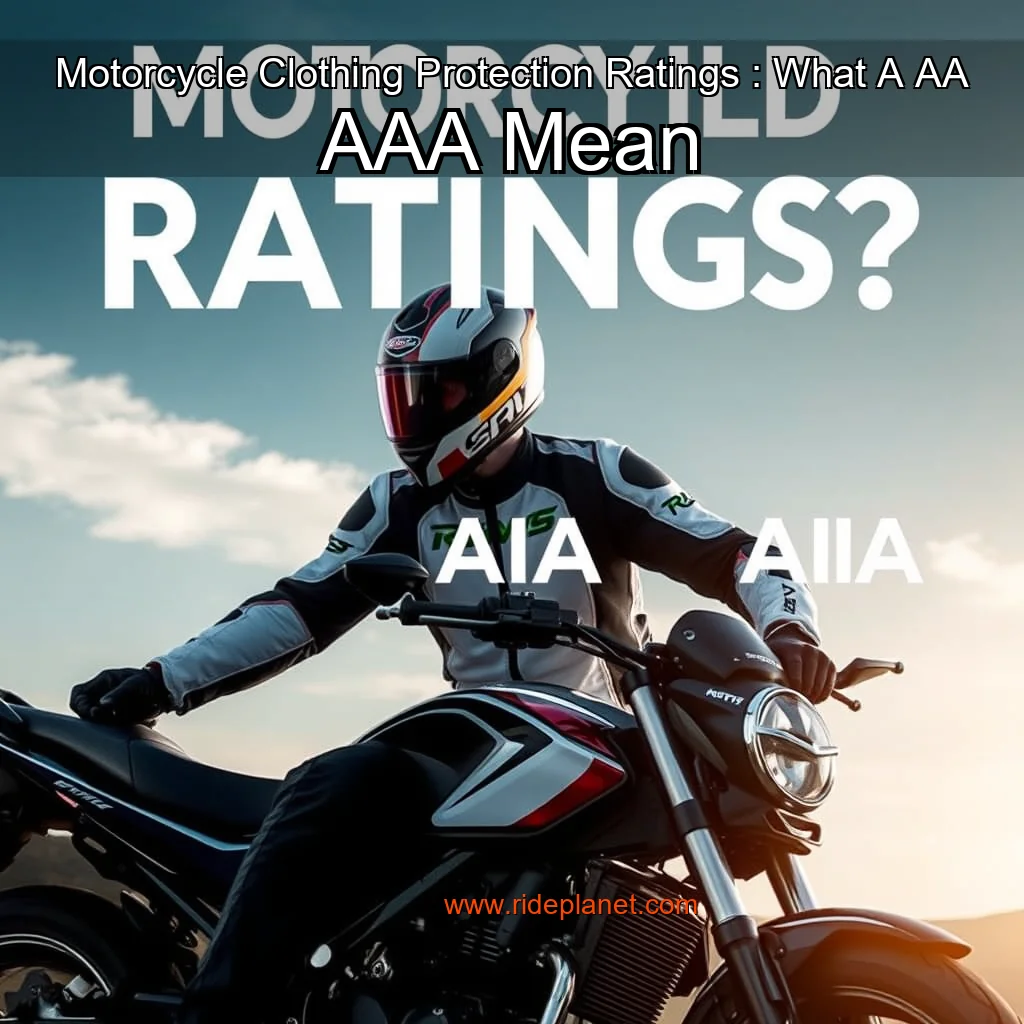
When it comes to motorcyclist gear, the level of protection is a crucial factor to consider. The type of protection offered by a garment can vary significantly, and understanding the differences between Class A, Class AA, and Class AAA ratings is essential for choosing the right gear.
What is the Difference Between Class A, Class AA, and Class AAA Ratings? The American Society for Testing and Materials (ASTM) sets the standards for motorcyclist gear, and the ratings are based on the level of protection offered by the garment. Here’s a breakdown of the differences between Class A, Class AA, and Class AAA ratings:
Choosing the Right Gear for Your Riding Style
When choosing motorcyclist gear, it’s essential to consider your riding style and the type of riding you’ll be doing. If you’re an urban rider, a Class A garment may be sufficient.
CE Marking on Motorcycle Gear: What You Need to Know to Stay Safe on the Road.
Understanding CE Marking on Motorcycle Gear
The CE marking is a widely recognized symbol that indicates compliance with the essential health and safety requirements of the European Union’s (EU) machinery directive. However, it’s essential to understand the nuances behind this marking and how it relates to motorcycle gear.
What Does CE Marking Mean? CE marking is a certification that ensures a product meets the minimum safety standards set by the EU. In the context of motorcycle gear, CE marking indicates that the product has been tested and meets the essential health and safety requirements of the EU’s machinery directive. This means that the product has been evaluated for its safety, performance, and environmental impact. ### CE Tested, CE Certified, and CE Approved: What’s the Difference? While CE marking is a widely recognized symbol, it’s not a guarantee of safety. There are significant differences between CE-tested, CE-certified, and CE-approved motorcycle gear. Here are the key differences:
Balancing Comfort and Safety
When choosing motorcycle gear, it’s essential to strike a balance between comfort and safety.
The Importance of Motorcycle Helmets
Motorcycle helmets are a crucial piece of safety equipment for motorcyclists. They protect the head from serious injury or death in the event of a crash.
Zone 2 refers to areas that are moderately exposed to mechanical stress, such as the chest, back, and thighs. Zone 3 refers to areas that are less exposed to mechanical stress, such as the arms, legs, and torso.
Understanding the Safety Class of a Garment
Zone 1: High-Risk Areas
When designing a garment, it’s essential to consider the safety class of each zone. Zone 1 areas, such as shoulders, elbows, hips, and knees, are at a higher risk of damage in the event of a crash. These areas are often subjected to significant forces, including bending, twisting, and impact. To mitigate this risk, garments designed for Zone 1 areas must be constructed with robust materials and a high level of flexibility. Key considerations for Zone 1 garments: + High-strength materials + Flexible design + Reinforced seams and stress points + Impact-absorbing padding
Zone 2: Moderately Exposed Areas
Zone 2 areas, such as the chest, back, and thighs, are moderately exposed to mechanical stress. While these areas are not as high-risk as Zone 1, they still require careful consideration to ensure the garment provides adequate protection.

news is a contributor at RidePlanet. We are committed to providing well-researched, accurate, and valuable content to our readers.