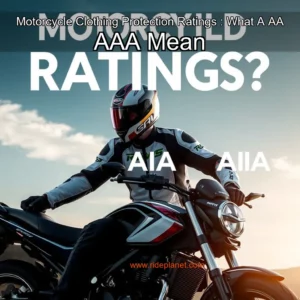
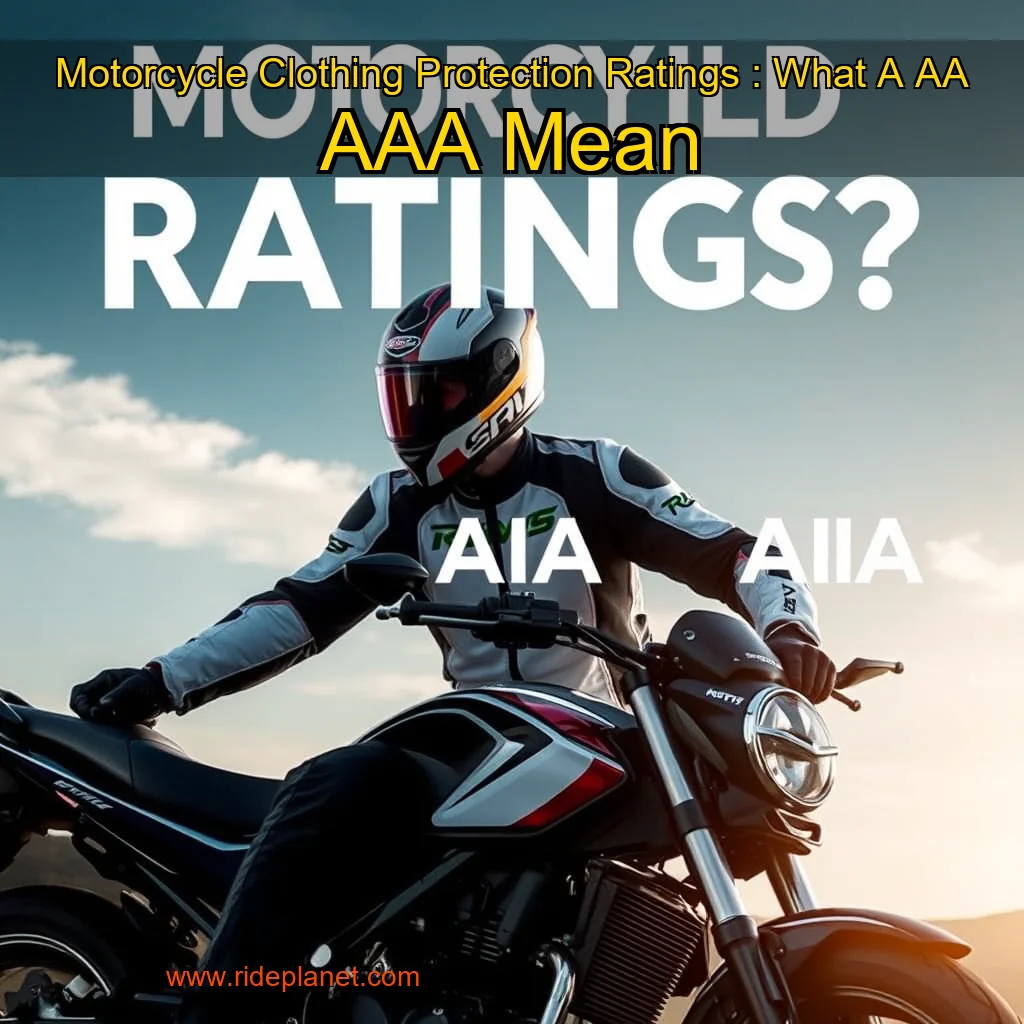
These classes are based on the level of protection provided by the motorcycle’s design and features.
Understanding the Protection Classes
The protection classes are designed to provide a clear understanding of the level of protection offered by a motorcycle.
However, if a garment has a higher rating, it is likely heavier and bulkier, which makes it more suitable for off-road riding.
Understanding the Class A Rating
The Class A rating is the most basic level of protection offered by a riding garment. It provides a minimum level of protection against abrasions and minor cuts. Garments with a Class A rating are typically light and comfortable, making them suitable for urban riding. They are often made of lightweight materials such as cotton or polyester blends, and are designed to provide a basic level of protection without compromising on comfort. Key features of Class A garments: + Lightweight and comfortable + Made of lightweight materials (cotton, polyester blends) + Basic protection against abrasions and minor cuts + Suitable for urban riding
Understanding the Class AA Rating
The Class AA rating offers mid-level protection against abrasions and cuts. Garments with a Class AA rating are heavier and bulkier than those with a Class A rating, making them more suitable for off-road riding.
Choosing the Right Motorcycle Gear
When it comes to choosing the right motorcycle gear, there are several factors to consider. Here are some key points to keep in mind:
Understanding CE Marking
CE marking is a certification mark that indicates a product has met certain safety standards set by European regulatory bodies. However, as mentioned earlier, CE marking does not necessarily mean that the product fully meets these standards. What does CE marking mean?: CE marking indicates that a product has been tested and meets the essential health and safety requirements of the relevant European Union directives. What does CE marking not mean?: CE marking does not guarantee that a product is safe or meets all relevant safety standards. * How to check for CE marking: Look for the CE marking on the product label or packaging, and check the manufacturer’s website for more information.**
Reducing the Risk of Injury
While motorcycle gear can provide protection, it is not a guarantee against injury. To reduce the risk of injury, follow these tips:
While both helmets meet safety requirements, they have differences in features and regulations. The ECE standard focuses on safety features, whereas the DOT standard also addresses aesthetics and consumer protection. The ECE standard is considered more stringent than the DOT standard. The main differences between the ECE and DOT standards are the testing requirements, certification process, and the types of tests conducted. The ECE standard requires a more extensive testing process, including impact tests and other safety assessments. The certification process is also more rigorous, involving a series of tests and evaluations. In contrast, the DOT standard focuses on a more limited set of tests, primarily assessing the helmet’s ability to protect the wearer in a frontal impact. The main differences in testing requirements are the use of different testing devices and methods. The ECE standard uses a more advanced device, the “crash test sled,” to simulate the forces of impact. The DOT standard, on the other hand, uses a simpler device, the “anvil,” to test the helmet’s impact resistance. The ECE standard also requires the use of more advanced materials and designs, such as the use of polycarbonate shells and ABS plastic liners. The DOT standard, however, allows for the use of a broader range of materials and designs. The main difference in certification is the number of tests conducted and the level of scrutiny applied. The ECE standard requires a minimum of six tests, including impact tests, while the DOT standard requires a minimum of four tests. The ECE standard also involves a more extensive evaluation process, involving a series of assessments and evaluations.
Zone 2 refers to areas with a moderate risk of damage, such as the chest, back, and thighs. Zone 3 refers to areas with a low risk of damage, such as the arms, legs, and torso.
Understanding the Safety Class of a Garment
The safety class of a garment is a critical factor in determining its overall safety and effectiveness. It is essential to understand the different zones of a garment and how they relate to the risk of injury.

news is a contributor at RidePlanet. We are committed to providing well-researched, accurate, and valuable content to our readers.