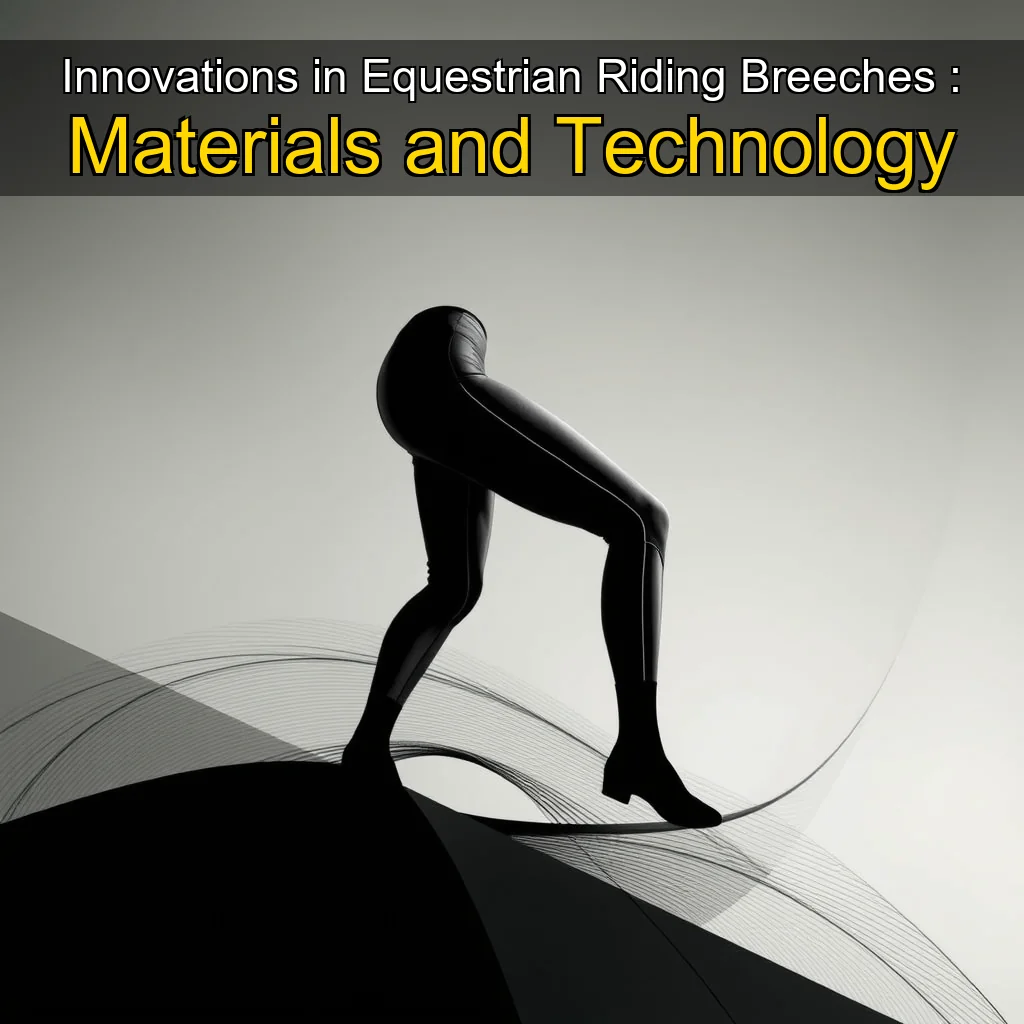
Riding pants are designed to meet these needs, offering a range of features that cater to different riding styles and preferences.
Types of Riding Pants
There are several types of riding pants available, each with its unique characteristics and benefits. Some of the most popular types include:
Microfibers Revolutionize Cycling Apparel with Breathability, Comfort, and Performance.
The addition of microfibers has led to a significant increase in the popularity of cycling shorts and jerseys.
The Rise of Microfiber Technology in Cycling Apparel
Benefits of Microfibers in Cycling Apparel
Microfibers have become a staple in the cycling industry, particularly in the production of cycling shorts and jerseys. These tiny fibers offer numerous benefits that have contributed to their widespread adoption. Some of the key advantages of microfibers in cycling apparel include:
The Impact of Microfibers on Cycling Apparel
The integration of microfibers into cycling apparel has had a significant impact on the industry. Some of the notable effects include:
The Evolution of Riding Suits
The world of horseback riding has undergone significant transformations over the years, with advancements in technology and materials leading to the development of specialized fabrics that cater to the needs of riders. Gone are the days of basic cotton or woolen riding suits, which often left riders exposed to the elements and vulnerable to discomfort. Today, riders can enjoy a range of fabrics that provide superior comfort, durability, and protection.
Key Features of Modern Riding Suits
The Benefits of Specialized Riding Suits
Specialized riding suits offer a range of benefits for horseback riders, including:
The Science Behind Specialized Riding Suits
The development of specialized riding suits is rooted in the understanding of the physical demands of horseback riding. Riders are exposed to a range of environmental factors, including wind, sun, and moisture, which can lead to discomfort, fatigue, and even injury.
The Evolution of Riding Pants
Riding pants have undergone significant transformations over the years, driven by advances in technology and changing rider preferences. From their humble beginnings as simple, functional garments to the high-performance, fashion-forward designs of today, riding pants have evolved to meet the demands of modern riders.
Early Days of Riding Pants
In the early days of riding, pants were primarily designed for functionality and protection. Made from heavy, thick fabrics such as denim and canvas, these early riding pants were designed to withstand the rigors of horse riding. They were often loose-fitting and lacked the flexibility and comfort that modern riders demand. Key features of early riding pants: + Heavy, thick fabrics + Loose-fitting design + Limited flexibility and comfort
The Advent of Synthetic Fabrics
The introduction of synthetic fabrics such as Lycra and polyester marked a significant turning point in the evolution of riding pants.
Seamless clothing is a game-changer for riders who value comfort, flexibility, and performance.
Seamless clothing is made from a single piece of fabric that is not sewn or joined with any seams. This type of clothing is ideal for athletes who require a full range of motion and flexibility. Seamless clothing is also ideal for riders who want to feel the wind and sun on their skin without any seams or fabric restrictions.
The Benefits of Seamless Clothing for Riders
Seamless clothing is a game-changer for riders who value comfort, flexibility, and performance. Here are some of the key benefits of seamless clothing for riders:
The Rise of Sustainable Equestrian Products
The equestrian industry has long been criticized for its environmental impact, with many products contributing to waste and pollution. However, in recent years, there has been a significant shift towards sustainable and eco-friendly practices. This trend is evident in the production of equestrian products, such as riding leggings and horse blankets, which are now being made from recycled materials like plastic bottles.
The Benefits of Sustainable Materials
Eco-Friendly Manufacturing Processes
The equestrian industry is also adopting eco-friendly manufacturing processes to reduce its environmental footprint. These processes use less water and energy, resulting in a significant reduction in greenhouse gas emissions.
Water Conservation
The Evolution of Riding Attire
The world of horseback riding has undergone significant transformations in recent years, with a particular focus on the evolution of riding attire. Gone are the days of restrictive and uncomfortable clothing, as modern equestrian wear prioritizes both style and functionality.
Key Features of Modern Riding Attire

news is a contributor at RidePlanet. We are committed to providing well-researched, accurate, and valuable content to our readers.