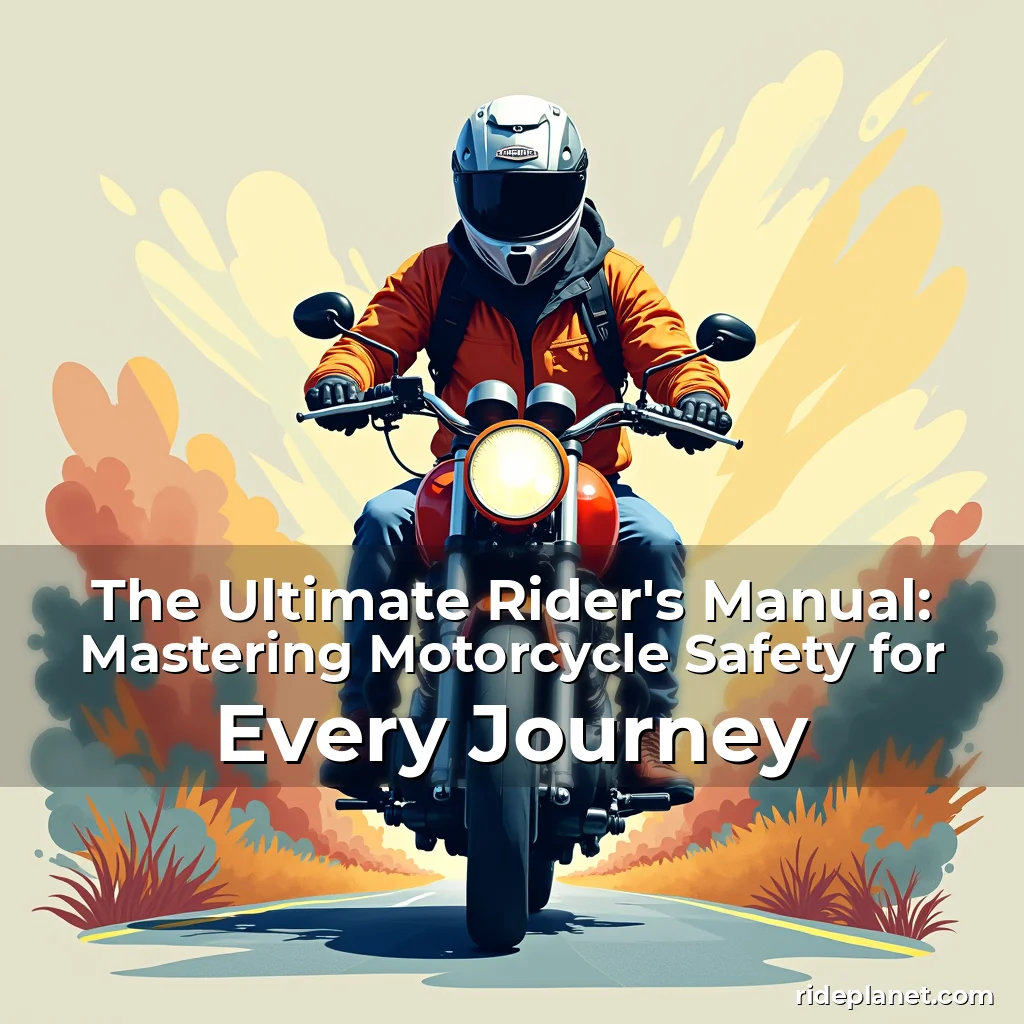
The Ultimate Rider’s Manual: Mastering Motorcycle Safety for Every Journey
In an era where motorcycles are both a symbol of freedom and a mode of transport for millions worldwide, ensuring rider safety is paramount. The thrill of riding comes hand-in-hand with responsibility, especially when navigating busy streets or winding trails.
This guide delves deep into essential motorcycle safety practices, equipping riders with knowledge that can mean the difference between safe passage and tragic mishap. Whether you’re a seasoned biker or new to two wheels, these insights will help protect your journey from start to finish.
Fundamentals of Motorcycle Safety
Riding a motorcycle demands more than just technical skill; it requires a mindset focused on constant awareness. This foundational approach sets the tone for every ride, influencing decisions made at intersections, highways, and off-road paths alike.
Awareness begins before even mounting the bike. Checking tire pres These pre-ride checks may seem routine but play a crucial role in accident prevention.
- Tire maintenance: Regularly check inflation levels and tread depth to ensure optimal grip and control during various weather conditions.
- Battery health: A well-maintained battery prevents unexpected failures that could leave you stranded in dangerous situations.
Proper Attire for Safe Riding
Clothing isn’t merely about comfort—it serves as critical protection against injuries in case of an accident. Choosing gear designed specifically for motorcycling can significantly reduce injury severity during collisions.
Protective clothing includes helmets, jackets, pants, gloves, and boots, each serving distinct purposes. Helmets alone account for over 37% reduction in fatal head injuries according to recent studies by leading traffic safety organizations.
Essential Protective Gear Components
Helmets must meet recognized standards such as DOT certification in the US or ECE R22 in Europe. They provide vital protection against skull fractures and brain damage upon impact.
Jackets and pants made from abrasion-resistant materials like leather or reinforced fabric minimize road rash risk. Injuries sustained from sliding across pavement often result in severe burns and long-term scarring.
Mastering Defensive Driving Techniques
Defensive driving transforms passive observation into proactive engagement with other vehicles. It involves anticipating potential hazards rather than reacting after they occur—a mindset shift that dramatically improves survival rates.
One key technique is maintaining adequate following distance. Keeping three seconds behind cars allows sufficient reaction time should sudden stops happen unexpectedly ahead.
- Sight lines: Always scan beyond immediate surroundings to predict movements of pedestrians, cyclists, and unpredictable drivers.
- Vision habits: Continuously look around using peripheral vision while keeping eyes forward to avoid blind spots created by mirrors alone.
Navigating Urban Environments Safely
City riding presents unique challenges due to high pedestrian density, frequent stop-and-go traffic patterns, and limited visibility from buildings blocking sightlines. Adapting strategies to urban settings enhances overall safety effectiveness.
Motorcyclists should prioritize designated lanes whenever possible and stay visible within traffic flows. Using turn signals consistently communicates intentions clearly to surrounding vehicles.
- Intersection caution: Approach crosswalks slowly enough to see any hidden pedestrians or cyclists emerging suddenly from alleys or parked cars.
- Parking space vigilance: Be wary of opening car doors which pose significant collision risks—especially near restaurants or office complexes.
Off-Road Adventure Precautions
While paved roads offer structured environments, off-road terrain introduces unpredictability requiring specialized preparation. Understanding trail conditions and carrying appropriate equipment ensures safer exploration away from established routes.
Before embarking on dirt tracks or mountain passes, assess ground stability underfoot. Loose gravel or wet surfaces increase likelihood of skidding or losing traction abruptly without warning.
- Trail research: Study maps showing elevation changes, water crossings, and known hazardous zones prior to departure.
- Emergency supplies: Pack extra fuel, spare parts, tools, and communication devices capable of functioning outdoors despite harsh elements.
Understanding Motorcycle Mechanics for Safety
Mechanical proficiency complements physical preparedness by enabling quick diagnosis of issues mid-ride. Knowing how components work together helps identify early signs of wear or malfunction before they escalate dangerously.
Regular servicing intervals recommended by manufacturers include checking fluid levels, replacing filters, and examining chain tension. Neglecting scheduled maintenance increases risk of breakdowns during critical moments.
- Lubrication routines: Properly greased chains extend lifespan and maintain smooth operation preventing costly repairs later on.
- Brake inspection: Ensuring calipers move freely and discs remain clean guarantees responsive stopping power when needed most.
Weather Adaptation Strategies
Adverse weather conditions drastically alter riding dynamics necessitating adjustments in speed, distance, and route selection. Being prepared mentally and physically for changing climates safeguards against unforeseen dangers.
Rain reduces tire grip exponentially increasing braking distances. Riders should slow down considerably while avoiding abrupt maneuvers until roads dry sufficiently post-storm events.
- Visibility enhancement: Use additional lighting systems including fog lamps or auxiliary LED strips to cut through heavy rain mist effectively.
- Hydroplaning avoidance: Ride through puddles at low speeds unless absolutely necessary since water layers can cause loss of contact with asphalt surface momentarily.
Legal Compliance and Road Rules Awareness
Familiarity with local regulations protects riders legally while promoting responsible behavior among fellow commuters sharing public spaces. Ignorance of rules leads not only to fines but also heightened exposure to liability scenarios.
Speed limits vary based on location type—from residential areas restricting movement below 30 mph up to expressways permitting higher velocities depending upon jurisdictional laws governing them.
- License validation: Ensure valid documentation proving legal right to operate specific vehicle classifies accurately matching registration records.
- Insurance coverage: Maintain active insurance policies covering third-party damages plus personal medical expenses arising from crashes involving others’ property or people.
Community Engagement and Safety Networks
Building connections within motorcycle communities fosters shared learning experiences regarding best practices and emergency response protocols applicable universally regardless of geographical differences encountered globally.
Participation in group rides provides opportunities practicing real-world application skills learned theoretically elsewhere alongside experienced mentors who understand nuances better firsthand.
- Local clubs: Join regional chapters offering workshops focusing on advanced techniques suitable for intermediate level participants seeking further development professionally.
- Online forums: Engage regularly via digital platforms discussing latest technological advancements improving rider safety continuously evolving industry landscape rapidly today.
Psychological Aspects Influencing Safe Operation
Mental state affects decision-making processes impacting reaction times severely during emergencies. Stress management becomes integral part preparing oneself adequately facing daily commutes safely amidst chaotic cityscapes.
Practicing mindfulness exercises daily improves concentration abilities enhancing ability perceive environmental cues quicker thereby reducing chances getting caught unprepared encountering surprises unexpectedly.
- Dopamine regulation: Avoid excessive caffeine intake prior riding sessions which might lead hyperactivity impairing judgment capabilities negatively affecting performance metrics critically.
- Anxiety mitigation: Employ breathing techniques calming nervous system before starting journeys helping sustain composure throughout entire trip duration irrespective external pressures applied constantly.
Technology Integration Enhancing Rider Protection
Modern innovations now incorporate smart features aiming towards minimizing human error factors contributing largely toward motorbike related incidents reported annually worldwide.
Anti-lock Braking Systems (ABS) prevent wheel lockup allowing continued steering control during hard stops whereas electronic throttle controls enhance precision managing acceleration smoothly across varying load conditions efficiently.
- GPS navigation: Utilize satellite guidance systems identifying safest alternate pathways rerouting automatically when obstacles appear unexpectedly obstructing original planned course directions.
- Smart helmets: Incorporate sensors detecting impacts triggering automatic alerts notifying emergency services instantly increasing chances receiving timely assistance crucial recovery stages.
Educational Resources for Continuous Improvement
Ongoing education remains vital component sustaining expertise required maintaining highest standards excellence within ever-changing transportation ecosystem continually adapting itself dynamically responding global trends shaping future mobility solutions envisioned collectively society wide.
Enroll in certified training programs providing hands-on experience simulating realistic scenarios challenging riders develop reflexes honed precisely those exact circumstances likely occurring frequently everyday life contexts encountered commonly.
- Workshops: Attend interactive seminars conducted periodically addressing current topics relevant contemporary discussions surrounding sustainable travel options becoming increasingly popular choices environmentally conscious consumers pursuing greener alternatives traditionally available.
- Simulation labs: Practice complex maneuvers inside controlled environments replicating actual street layouts helping build muscle memory necessary executing precise actions swiftly under stressful situations reliably consistently whenever needed most urgently.
Conclusion
By integrating thorough preparation, protective measures, defensive strategies, mechanical understanding, adaptive approaches, legal adherence, social support networks, mental discipline, technological enhancements, and continuous learning, riders can maximize their safety on two wheels.
Remember, every journey starts with a single step—make yours count by embracing these principles wholeheartedly. Stay alert, stay protected, and enjoy the ride responsibly.