
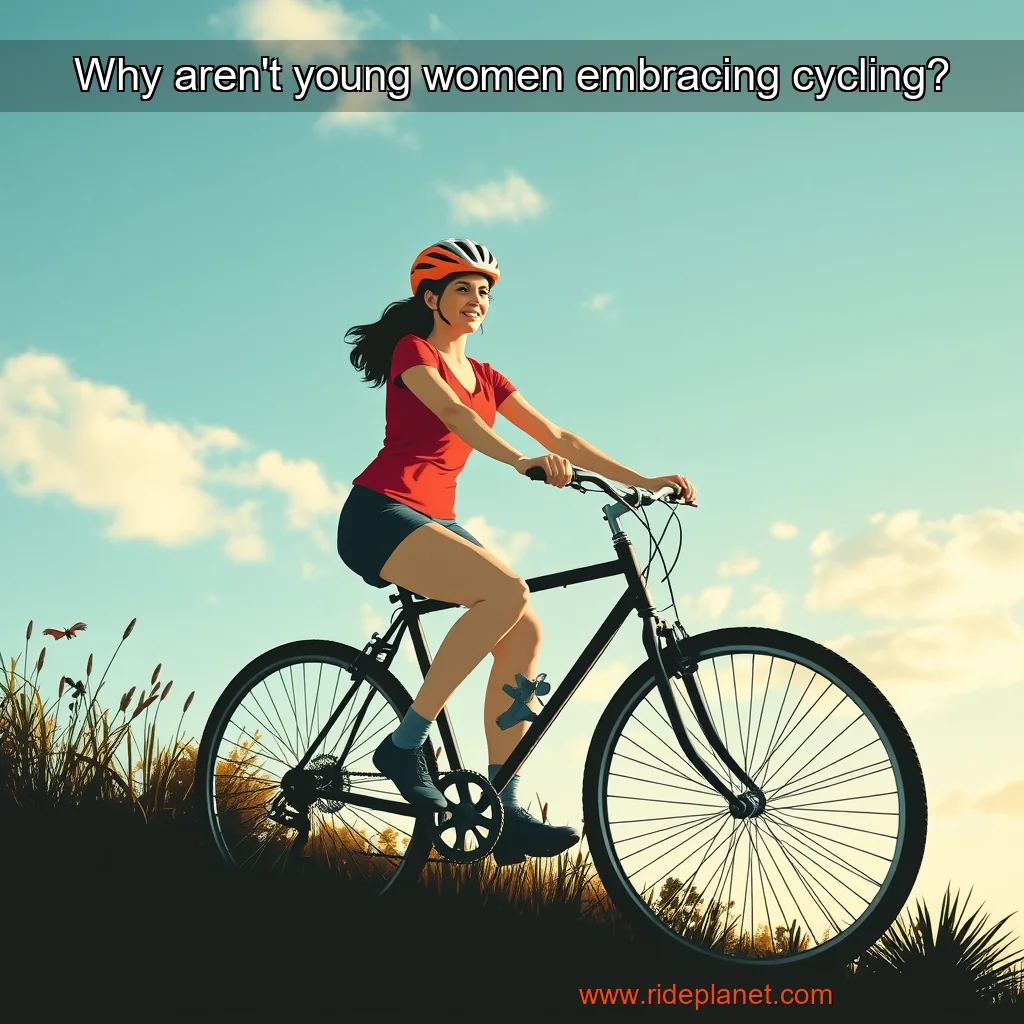
The Problem of Unequal Access to Cycling Infrastructure
The disparity in cycling participation between men and women in Australia is a pressing concern. According to the research, 92% of young Victorian women, aged 18-29, are interested in riding a bike, but their participation is 4 times lower than men of the same age.
Overcoming barriers to cycling for young women in Melbourne through practical solutions and collaboration.
The research aims to identify the barriers to cycling and to develop practical solutions to overcome these barriers.
Understanding the Challenges
The research aims to understand the challenges faced by young women in Melbourne when it comes to cycling. The surveys and interviews have provided valuable insights into the barriers that prevent young women from cycling. Some of the common barriers include:
These barriers can be grouped into three main categories: physical, social, and psychological. The physical barriers include lack of access to safe cycling infrastructure, while the social and psychological barriers include social and cultural norms that discourage women from cycling.
Identifying Solutions
The research has identified several practical solutions to overcome the barriers to cycling. These solutions include:
These solutions can be implemented at the individual, community, and policy levels. The researchers are working with the three Melbourne councils to develop and implement these solutions.
Collaboration and Partnerships
The PETAL project has partnered with three Melbourne councils to develop and implement the solutions. The councils have provided valuable support and resources to the project.
The Need for Infrastructure Investment
The report highlights the importance of investing in infrastructure that supports people of all abilities to ride a bike. This includes the installation of bike lanes, improved road surfaces, and the provision of accessible bike parking facilities. The report emphasizes that these investments are not only essential for promoting physical activity and reducing traffic congestion, but also for enhancing the overall quality of life for people with disabilities. Key recommendations include:
The Benefits of Investing in Bike Infrastructure
Investing in bike infrastructure has numerous benefits for individuals, communities, and the environment. Some of the key benefits include:
The Road to Implementation
The report provides a roadmap for implementing the recommended infrastructure investments. This includes:
Conclusion
The report to the 3 councils provides a critical framework for investing in bike infrastructure that supports people of all abilities to ride a bike.
The Rise of Cycling in Cities
The COVID-19 pandemic has brought about a significant shift in the way people travel, with many opting for cycling as a mode of transportation. This trend is evident in cities around the world, where the number of women riding bikes has increased substantially. In London, for example, the number of women cycling has risen by 50% during the pandemic lockdown. This surge in cycling is not limited to London; other cities have also seen a significant increase in the number of women riding bikes.
Factors Contributing to the Rise of Cycling
Several factors have contributed to the rise of cycling in cities. These include:
The Threshold Effect
Dr. Pearson suggests that there is a threshold effect of 7% of trips taken by bike that has operated in other countries.

news is a contributor at RidePlanet. We are committed to providing well-researched, accurate, and valuable content to our readers.