
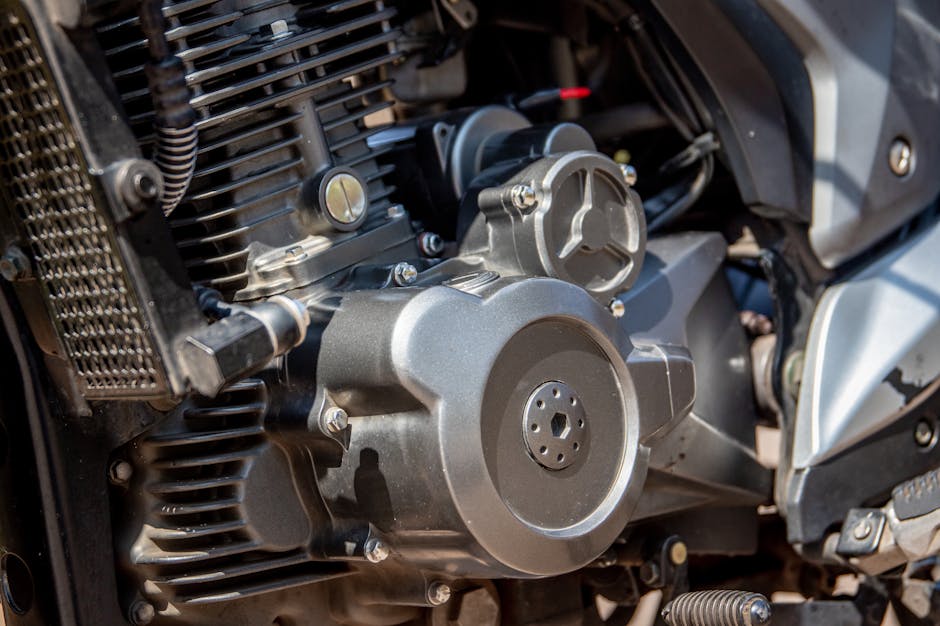
Revving Up Your Machine: A Deep Dive Into Essential Motorbike Components
In the world of motorcycling, understanding your machine’s inner workings isn’t just beneficial—it’s essential. Whether you’re a seasoned rider or new to the sport, familiarizing yourself with motorbike parts ensures optimal performance, longevity, and most importantly, safety on the road.
RidePlanet communities thrive on shared knowledge, making it vital for riders to grasp the fundamentals of their vehicles. This guide explores critical components, from engines to brakes, offering insights that empower both casual and competitive cyclists alike.
The Engine: Heart of Your Motorcycle
The engine is the core component responsible for generating power in motorcycles. It consists of various intricate parts working harmoniously to convert fuel into mechanical energy that propels the vehicle forward.
Understanding the basic anatomy of an engine helps in diagnosing issues early and maintaining peak efficiency. Key components within the engine include the cylinder head, piston assembly, crankshaft, and valve train.
- Cylinder Head: Houses intake and exhaust valves, controlling airflow into and out of the combustion chamber.
- Piston Assembly: Moves up and down inside the cylinder, converting the explosive force of combustion into rotational motion.
Transmission System: Power Transfer Made Efficient
The transmission system plays a pivotal role in transferring engine power to the rear wheel efficiently. It includes gears, shifters, and the clutch mechanism, allowing smooth acceleration and deceleration at varying speeds.
Maintaining the transmission involves regular lubrication and inspection for wear. Common problems include gear slippage due to worn-out synchronizers or fluid leaks indicating seal damage.
Gearing Mechanics Explained
Motorcycle transmissions typically feature between four to six speeds, depending on the model. Each gear ratio affects torque output and speed; lower gears provide higher torque suitable for climbing hills while higher gears allow cruising at faster speeds with less effort.
Modern motorcycles often come equipped with slipper clutches designed to reduce rear-wheel lockup during sudden deceleration—a significant safety enhancement especially noticeable when riding downhill.
Braking Systems: Safety First
Adequate braking capabilities are non-negotiable for motorcycle safety. Most modern bikes employ disc brakes on both wheels, providing superior stopping power compared to traditional drum brakes commonly found older models.
Regular brake inspections are crucial. Signs of potential failure include squealing noises upon application, reduced stopping distance, or visible signs of wear such as thinning rotor thicknesses.
- Front Disc Brake: Typically larger than rear discs, front brakes handle approximately 70% of the total stopping force.
- ABS Technology: Anti-lock Braking Systems prevent wheel lockup during emergency stops by modulating pressure through hydraulic actuators automatically.
Suspension Setup: Enhancing Control & Comfort
The suspension system absorbs shocks from uneven surfaces, enhancing control over rough terrain and improving overall comfort during long rides. It comprises front forks and rear shock absorbers calibrated specifically for each bike type.
Tuning your suspension settings based on load distribution, riding style, and trail conditions significantly impacts handling characteristics. Adjustable preload springs and damping controls enable customization tailored to individual preferences.
Types Of Suspension Units
There are primarily two types of suspensions available today: hydraulic telescopic forks used extensively in sportier bikes versus air-sprung units popular among cruiser-style motorcycles owing to their lighter weight advantage.
Proper maintenance routines involve checking fork seals periodically for leakage, replacing damaged bushings promptly, and ensuring adequate oil levels remain consistent across seasons.
Electrical Components: Keeping Everything Powered
An efficient electrical system powers everything from headlights to ignition coils. At its heart lies the battery which stores electrical charge generated by the stator while the bike runs.
Common faults include dead batteries caused either by parasitic drains or inadequate charging cycles. Regular testing using multimeters can help identify weak cells before complete failure occurs.
- Battery Maintenance Tips: Clean terminals regularly with baking soda solution to remove corrosion buildup preventing poor conductivity.
- Alternator Functionality: Converts kinetic energy into electricity; faulty windings may lead to insufficient charging rates affecting other electronic devices’ operation.
Tires And Wheels: Foundation Of Stability
Your choice of tire significantly influences grip levels, cornering ability, and ride quality. Different compounds cater to varied weather conditions—soft rubber offers better traction on wet roads whereas harder variants excel under dry conditions.
Wheel alignment matters greatly too; misalignment causes uneven tire wear patterns leading potentially towards dangerous blowouts if left unchecked over prolonged periods.
Accessories & Upgrades: Personalize Your Ride
Enhancing functionality doesn’t always mean expensive modifications; simple additions like LED lighting kits increase visibility dramatically without altering original design integrity.
Customization options range widely—from chrome-plated exhaust pipes adding aesthetic flair to advanced navigation systems integrating GPS technology seamlessly into existing dashboards.
- Performance Exhausts: Designed to optimize backpressure reducing internal resistance thereby increasing horsepower ratings slightly yet noticeably.
- Dual-Sport Capabilities: Adding skid plates protects sensitive underneath areas against abrasion when traversing rocky trails off-road environments safely.
Conclusion
From engine internals right down to subtle enhancements made via aftermarket products, every element contributes uniquely toward achieving desired riding experiences. Knowledge empowers informed decisions regarding maintenance schedules and upgrade choices ultimately leading safer journeys ahead.
To maintain top condition consistently, schedule routine service appointments focusing particularly attention on high-wear items identified earlier plus monitor warning indicators closely whenever operating any powered vehicle regularly outdoors frequently.
“`
