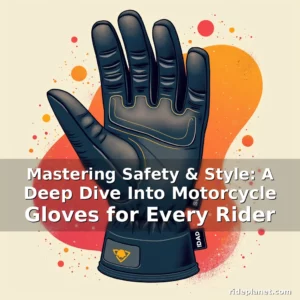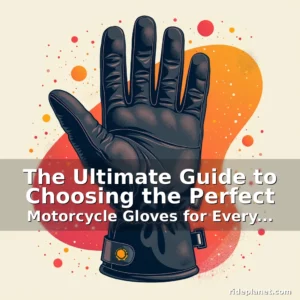

The Ultimate Guide to Motorcycle Gloves: Mastering Safety, Comfort, and Control
Motorcycle gloves are far more than a fashion accessory—they’re a crucial piece of protective gear designed to shield riders from injury, enhance control, and boost confidence on the road. Whether you’re carving corners on twisty backroads or cruising highways, choosing the right pair of gloves can significantly impact your riding experience.
From high-performance racing gear to rugged adventure boots, motorcyclists have access to a wide range of gloves tailored to specific conditions and styles. This guide dives deep into everything you need to know about motorcycle gloves, helping you select the perfect pair for your journey.
Why Motorcycle Gloves Matter: More Than Just Fashion
Riding a motorcycle exposes you to risks ranging from minor scrapes to severe injuries during accidents. Motorcycle gloves act as a vital line of defense against abrasions, impacts, and environmental hazards. Their design incorporates layers of technology to provide both protection and flexibility.
Abrasion resistance is arguably the most critical feature of motorcycle gloves. In the event of a crash, the outer shell must withstand friction against pavement or asphalt to minimize skin damage. High-quality materials like leather, synthetic fibers, and reinforced panels work together to achieve this goal.
- Impact Protection: Advanced gloves integrate foam padding or gel inserts around knuckles, wrists, and palms to absorb shocks from falls or collisions.
- Ventilation Systems: Many modern gloves feature breathable mesh panels or airflow channels to regulate temperature and prevent sweat buildup during long rides.
- Grip Enhancement: Textured surfaces or silicone grips on palm areas help riders maintain control over handlebars, especially in wet or cold conditions.
While aesthetics may play a role in some rider decisions, functionality always takes precedence. The best gloves balance style with performance, offering comfort without compromising safety standards.
Decoding the Types of Motorcycle Gloves: Choosing the Right Pair
No two riders are alike, which means there’s no one-size-fits-all approach to selecting motorcycle gloves. Understanding the different categories will help narrow down your options based on riding style, terrain, and personal preferences.
Full-finger gloves are the standard choice for most motorcyclists, providing comprehensive coverage from fingertips to wrists. They offer superior protection against windblast, debris, and potential contact with hot engine parts or exhaust pipes.
Half-finger gloves are ideal for warmer climates or casual urban riding. These lightweight designs allow greater dexterity for tasks like adjusting throttle controls or signaling turns while still offering basic hand protection.
Fingerless gloves cater specifically to those who prioritize mobility over full-hand shielding. Though less common among serious riders, they remain popular among scooter enthusiasts and commuters seeking convenience without sacrificing too much flexibility.
In recent years, hybrid models combining elements from various glove types have gained traction. Some manufacturers now produce gloves with removable finger covers or adjustable closures for added versatility depending on weather conditions.
Material Matters: Exploring Fabric Options for Motorcycle Gloves
The fabric composition of motorcycle gloves determines their durability, breathability, and overall effectiveness. Traditional leather remains a top contender due to its natural resilience against abrasions and ability to mold comfortably over time.
Synthetic alternatives such as Kevlar, carbon fiber, and reinforced polymer composites offer lighter weight solutions without compromising strength. These materials excel in extreme environments where traditional leather might wear out faster.
Hybrid constructions blend natural leathers with technical textiles to create gloves that combine softness with robustness. Mesh linings or inner lining materials like microfiber contribute to enhanced air circulation inside the glove.
For those concerned about sustainability, recycled fabrics made from repurposed plastics or organic cottons are becoming increasingly available. Eco-conscious riders can find environmentally friendly options that don’t compromise on performance.
Advanced Features: What Sets Top-Tier Motorcycle Gloves Apart?
Beyond basic construction and material selection, premium motorcycle gloves incorporate innovative technologies aimed at improving rider comfort and safety. One standout advancement is ergonomic shaping that contours precisely to the shape of human hands.
Some high-end gloves utilize heat-resistant coatings along thumb joints and palm areas to protect against accidental burns caused by touching heated components near the tank or muffler region.
Vibration dampening systems integrated into certain gloves reduce fatigue during extended periods of riding. These mechanisms either involve specialized foams or built-in suspension units between the glove layer and the rider’s hand.
Digital connectivity features are also emerging; some brands now embed sensors capable of monitoring pulse rates or detecting abnormal heartbeats—an invaluable tool for long-distance touring cyclists prone to exhaustion.
Customization Trends: Personalizing Your Ride with Unique Designs
As motorcycling culture evolves, so does the demand for personalized equipment. Custom embroidered patches, color-matched stitching, and even laser-engraved logos are now commonplace features offered by many reputable glove makers.
Many riders opt for bespoke sizing adjustments rather than relying solely on pre-made sizes found in stores. Tailored measurements ensure optimal fitment regardless of whether someone prefers tighter compression or looser coverage.
Premium customizations extend beyond visual appeal; some companies specialize in creating custom interior linings suited to individual preferences regarding texture preference (smooth vs grippy), moisture-wicking capabilities, or temperature regulation properties.
With digital printing techniques enabling intricate pattern application onto exteriors, today’s motorcycle gloves serve dual purposes—functionality alongside self-expression through artistic detailing.
Care & Maintenance Tips: Prolonging Glove Lifespan
To maximize longevity and retain peak performance levels, regular upkeep becomes essential. Proper cleaning routines remove dirt particles embedded within seams that could degrade structural integrity over time.
Most manufacturers recommend washing gloves periodically using mild soap mixed with lukewarm water. Avoid harsh detergents or bleach-based products which may weaken fibers prematurely.
Drying methods matter equally—if left hanging outdoors after washing, direct sunlight exposure tends to cause fading and stiffening effects detrimental to flexibility. Instead, air dry indoors away from heat sources until fully dry.
Periodic inspections for signs of wear and tear—including frayed edges, torn stitching lines, or compromised padding zones—are crucial steps toward timely replacements before small issues escalate into larger problems.
Replacement Guidelines: When Should You Bid Farewell To Old Gloves?
Evaluating when it’s time to retire old gloves requires attention to several indicators. Visible cracks appearing along surface textures signal weakening defenses against abrasive forces encountered during crashes.
If fingers begin feeling restricted despite prior ease-of-motion experienced previously, internal cushioning likely compressed irreversibly requiring fresh input via new pairs of gloves.
Significant loss of tactile sensitivity affecting precise handling abilities warrants immediate action since diminished responsiveness increases accident risk substantially.
Seasonal changes prompt reevaluation too—warmer months favor thinner variants whereas colder seasons necessitate thicker insulated versions suitable for prevailing temperatures.
Tips From Professionals: Insights Into Selecting Optimal Motorcycle Gear
Experienced riders often share hard-earned wisdom regarding effective glove selection strategies honed through years spent navigating diverse terrains worldwide. Among these lessons learned includes prioritizing certified safety ratings whenever possible.
Industry certifications like CE (Conformité Européenne) mark compliance with stringent European Union safety regulations applicable globally today. Always check label information confirming adherence to recognized benchmarks prior final purchases.
Testing gloves in-store allows physical assessments of fit characteristics absent online shopping limitations. Pay close attention to pressure points forming during trial sessions indicating potential discomfort zones post-purchase.
Consultation services exist wherein trained staff assist undecided buyers determine optimal specifications matching respective riding profiles—a particularly beneficial resource for novices unfamiliar with product distinctions.
The Future Of Motorcycle Glove Technology: Innovations On Horizon
Research initiatives currently underway hint towards exciting developments poised to reshape future iterations of motorcycle gloves dramatically. Smart textile integration promises real-time feedback mechanisms alerting users upon detecting hazardous situations automatically.
Nanotechnology applications are being explored to develop self-repairing surface treatments capable of sealing micro-cracks autonomously thereby extending service life considerably compared to conventional models unable to recover spontaneously damaged regions.
Biometric recognition systems embedded within palm areas enable seamless smartphone interactions via touchscreens without needing additional accessories attached externally—an intuitive solution streamlining multitasking demands during travel excursions.
Adaptive thermal management networks incorporating phase-change materials adjust insulation levels dynamically according to ambient temperature fluctuations ensuring consistent body warmth irrespective of external climate variations.
Conclusion
Motorcycle gloves represent a cornerstone element in achieving safe and enjoyable riding experiences. By understanding their multifaceted roles spanning protection, control, and comfort, riders gain power to make informed decisions aligned closely with individual needs.
Whether opting for classic leather craftsmanship or embracing cutting-edge technological advancements, investing wisely in quality gloves ensures peace of mind knowing your hands stay protected throughout every thrilling mile traveled ahead.